

Key Takeaways:
- Learning piano improves hand-eye coordination and fine motor skills in young children.
- Music education is linked to better performance in mathematics and spatial-temporal tasks.
- A piano class for kids provides a structured environment for building discipline.
- Group keyboard classes foster social skills and collaborative learning.
Introduction
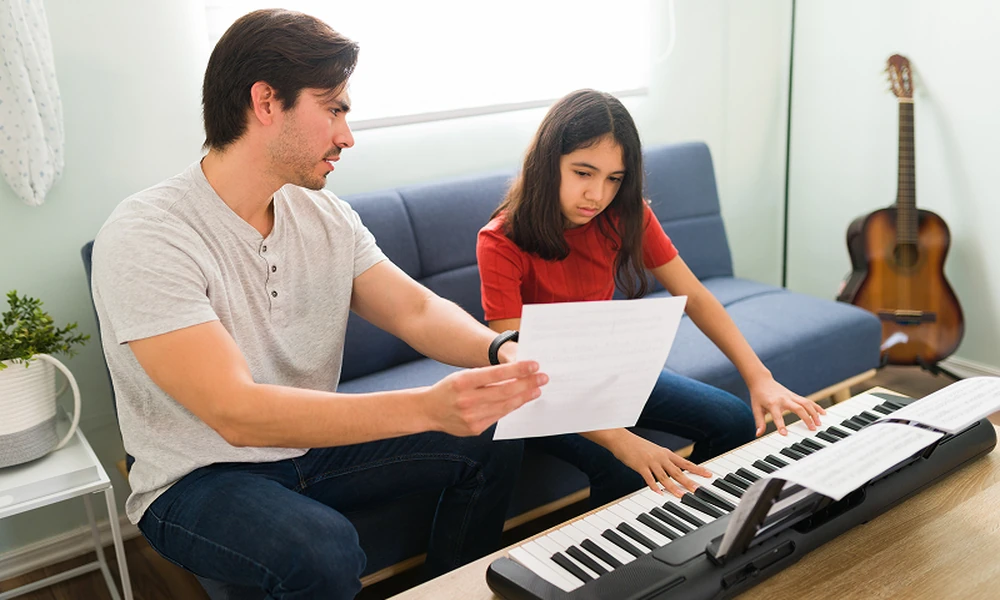
Have you ever watched a child sit down at a piano for the first time? There is this wonderful mix of curiosity and hesitation as they press a key and realise they can create sound. It is a powerful moment. Enrolling your child in a piano class for kids in Singapore is about much more than just teaching them to play a few melodies. It is an investment in their developing brain. Music is one of the few activities that engages almost every square inch of the human brain simultaneously.
In a fast-paced city like ours, we often focus on academic tuition, but music offers a unique kind of brain gym. Honestly, the benefits are immense. From improving memory to boosting emotional intelligence, the impact of sitting at those black and white keys is profound. Whether you choose traditional lessons or more modern keyboard classes, you are giving your child a toolset that will serve them well beyond the music room. It’s about building a foundation for life, one note at a time.
Strengthening The Young Mind
The connection between music and brain power isn’t just a tall tale told by music teachers. Scientific studies have shown that kids who study an instrument often have a more developed corpus callosum-the bridge between the left and right hemispheres of the brain. When a child attends a piano class for kids, they have to read two different lines of music while moving two different hands independently. This level of multitasking is challenging but incredibly rewarding for cognitive growth.
This mental workout translates directly into other areas of school life. For instance, the way music is structured-with its fractions, beats, and patterns-shares a lot of common ground with mathematics. Kids learn to understand intervals and ratios without even realising they are doing math. It’s a bit like hiding vegetables in a delicious pasta sauce; they get all the nutrients while having a great time. Plus, the discipline required to practice regularly helps them develop a growth mindset, where they understand that effort leads to mastery.
Fostering Creativity And Emotional Outlet
While the cognitive benefits are great, we shouldn’t forget the creative side. Music is a language, and just like any language, it allows children to express things they might not have words for yet. Keyboard classes in Singapore often introduce kids to different sounds and textures, encouraging them to experiment. Can you imagine the joy of a child discovering they can make a song sound sad or happy just by changing the way they touch the keys? It is a huge boost for their self-esteem.
Creativity isn’t just about being artsy; it’s about problem-solving. When a student hits a wrong note, they have to figure out why and how to fix it. This encourages a sense of autonomy and resilience. Instead of being afraid of mistakes, they learn to see them as part of the process. In a world that often demands perfection, having a safe space like a music lesson where you can explore and play is vital for a child’s emotional well-being. It gives them a sense of identity and a way to stand out.
The Social Side Of Music
You might think of the piano as a solitary instrument, but it can actually be very social. Many modern schools offer keyboard classes, where students learn in small groups. This is fantastic for younger children because it removes the pressure of a one-on-one spotlight and turns learning into a shared adventure. They get to hear their peers play, learn how to keep time together, and even perform little duets. You know what? It makes the whole process a lot less intimidating for them.
Being part of a musical community teaches kids about empathy and listening. To play well with others, you have to listen to what they are doing and adjust your own volume and tempo. These are essential life skills. Whether they eventually play in a band, a school group, or just for their family, the ability to connect through music is a gift. It builds a sense of belonging. Plus, there is a certain healthy competition that can motivate them to practice just a little bit harder for the next week.
Choosing The Right Path For Your Child
Every child is different, and there is no one-size-fits-all approach to music. Some might thrive in a very formal, classical setting, while others might prefer learning modern pop songs on a digital keyboard. The key is to find an environment that keeps the spark of interest alive. If a child enjoys their piano class for kids, they are much more likely to stick with it for the long term. It shouldn’t feel like a chore; it should feel like a highlight of their week.
When looking for a school, consider the personality of the teachers and the atmosphere of the classrooms. You want instructors who are patient, encouraging, and who truly love what they do. A good teacher doesn’t just teach notes; they inspire a love for music that can last a lifetime. Whether your child becomes a professional concert pianist or just plays for fun as an adult, the cognitive and creative foundations laid in these early years will always be there, supporting them in everything they do.
Conclusion
Investing in music education is one of the most well-rounded ways to support a child’s development. From the way it wires the brain for complex thinking to the way it provides an emotional anchor, the benefits are undeniable. By providing access to high-quality lessons, you are opening a door to a world of expression and discipline. It is a journey of discovery that starts with a single note and leads to a lifetime of appreciation for the arts.
If you are ready to see your child flourish through the power of music, we are here to help them start that journey. Our programs are designed to be engaging, supportive, and, most importantly, fun for students of all levels. There is no better time to start than now. Get in touch with Huckleberry Music School to find out more about our upcoming classes and how we can help your little one find their rhythm.
