

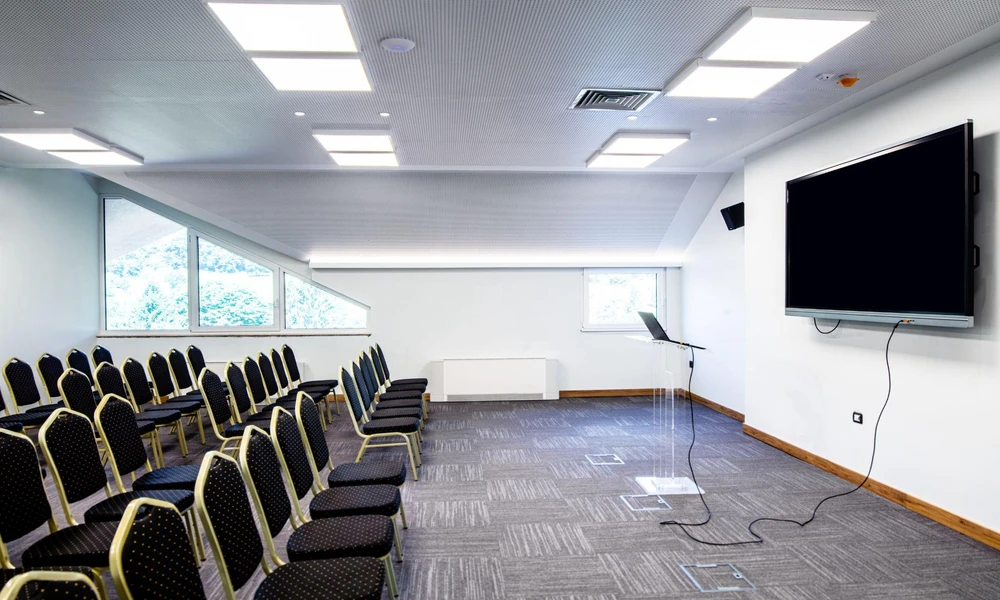
Planning time for a corporate event varies according to its size, purpose, venue requirements and number of participants. A small internal meeting may require relatively little preparation, while a conference or gala can involve months of coordination.
There is no single planning period that applies to every event. Teams handling corporate event management should therefore work backwards from the event date, allowing sufficient time for venue selection, suppliers, attendees, programme development and contingency planning.
How Far in Advance Should Corporate Meetings and Small Business Events Be Planned?
Small meetings and business events generally have fewer logistical requirements than large public-facing events. Planning may begin several weeks in advance, although events involving external attendees, travel or specialist venues may need more time.
Early arrangements commonly include:
- Confirming the purpose, date and expected attendance
- Reserving a meeting room or external venue
- Checking attendee availability
- Arranging audiovisual equipment
- Organising catering where required
- Preparing agendas and supporting materials
Internal meetings held at company premises can often be organised more quickly because fewer external suppliers are involved. Overall, the appropriate lead time depends on availability and the complexity of the meeting.
How Far in Advance Should Corporate Seminars and Workshops Be Planned?
Seminars and workshops typically require additional coordination because they may involve speakers, facilitators, training materials and participant registration. Starting several weeks to a few months ahead can provide time to coordinate these elements.
The planning process may include confirming speakers, securing a suitable venue and determining room layouts. Organisers may also need time to prepare presentation materials, practical exercises or technical equipment.
For externally attended sessions, registration and attendee communications add further steps. Seminars with multiple speakers or specialist equipment generally require a longer preparation period than simple internal workshops.
How Far in Advance Should Corporate Conferences Be Planned?
Conferences are usually among the corporate events that require the longest planning periods. Large conferences are often prepared many months in advance, particularly when they involve numerous speakers, exhibitors, sponsors or attendees travelling from different locations.
Important tasks can include:
- Securing a venue with sufficient capacity
- Developing the conference programme
- Confirming speakers and moderators
- Arranging staging and audiovisual systems
- Coordinating exhibitors or sponsors
- Opening attendee registration
- Planning catering and accommodation requirements
- Managing transport where necessary
Major venues and suppliers may also have limited availability on popular dates. Companies using event management services may therefore begin coordination early so dependencies between the venue, programme, suppliers and attendees can be managed systematically.
How Far in Advance Should Product Launches Be Planned?
The planning timeline for a product launch is closely connected to the wider product release schedule. Preparations may begin several months ahead when the event involves external guests, demonstrations, media activities or complex production requirements.
Event teams may need to coordinate staging, audiovisual systems, product displays and presentation content. Invitations also need to reflect when sufficient product and event information can be shared publicly.
Changes to the product release schedule can affect the event itself. For this reason, launch planning should remain coordinated with product, marketing and communications teams throughout the preparation period.
How Far in Advance Should Corporate Dinners and Company Celebrations Be Planned?
Corporate dinners and company celebrations can range from small team meals to large annual functions. Smaller gatherings may need only several weeks of preparation, while larger celebrations may require several months.
Venue availability is often an important consideration, especially for events held during popular periods. Catering, entertainment, seating plans, technical equipment and transport can also increase the amount of preparation required.
Guest numbers should be estimated early and refined as responses are received. In summary, larger celebrations and events with more suppliers generally benefit from an earlier start.
How Far in Advance Should Awards Ceremonies and Gala Events Be Planned?
Awards ceremonies and gala events often involve several interconnected elements, making a longer planning period practical. Large events may require several months to coordinate venues, catering, staging, entertainment, presenters and guest communications.
The awards process itself can add another timeline. Organisers may need to manage nominations, judging, trophies, certificates, presentation materials and recipient information before the event.
A corporate event management timeline should account for these dependencies rather than treating each task separately. Starting earlier also provides more time for rehearsals, technical checks and final guest arrangements.
Overall, the more complex the ceremony, the greater the need for advance coordination across the programme, venue and suppliers.
Visit Event Buddy and let us help keep each stage of your corporate event organised.
