

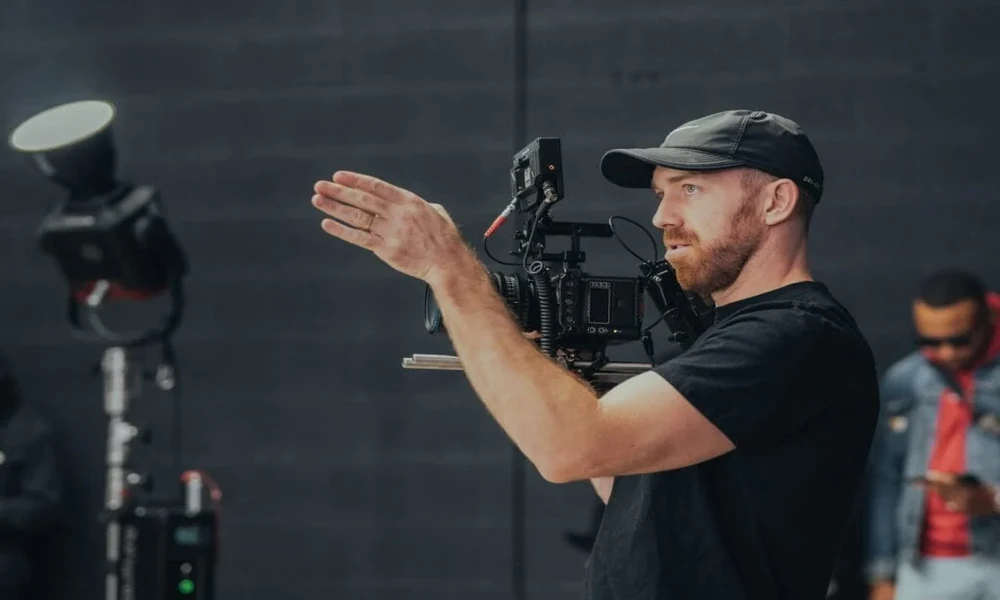
Corporate structures rarely permit independent filmmaking, where the filmmaker controls an idea from first draft to final cut. Executives spend their careers answering to boards, shareholders, and market expectations, and every major decision passes through layers of review. Independent films reverse that arrangement. The people making it decide what story gets told, how it looks, and where it ends. Business leaders feel their creative judgment is confined to strategy documents. Bardya Ziaian demonstrate the pattern, applying decades of company-building experience to films shaped by personal vision rather than committee direction. The scale of independent work reinforces the attraction. A small crew, a tight schedule, and a fixed goal recreate an early-stage venture. This is the period many founders describe as the most satisfying stretch of their working lives.
Problem-solving parallels
Independent sets run on constraints. There is never enough time, equipment, or daylight, and the shoot proceeds anyway. Executives recognize this immediately because it mirrors the operating reality of a young company, where resourcefulness substitutes for resources. A location falls through the night before filming, so the team rewrites the scene for a new setting by morning. An actor becomes unavailable, so the schedule reshuffles around the remaining cast. Each fix demands the same rapid judgment that leaders exercise through product launches and supply disruptions. The difference is immediacy. On set, the result of a decision appears within hours, on screen, in footage that either works or does not. Many executives describe instant feedback as the most energising part of production.
Storytelling as expression
Business communication compresses ideas into pitches, reports, and presentations built to persuade in minutes. Film expands the same craft into ninety minutes of sustained attention, and that expansion draws leaders with something personal to say. An independent film can carry themes that a quarterly briefing never could. Immigration journeys, family enterprise, ambition and its price, all subjects executives have lived through, translate into scripts with texture that only firsthand experience provides. The medium also outlasts its maker’s tenure. Companies are sold and products retired, but a finished film remains fixed, viewable decades later exactly as intended. For leaders thinking past their business careers, that permanence turns filmmaking into a form of record-keeping about what they saw and valued.
Collaborative working culture
Independent film runs on shared effort rather than hierarchy. Crews are small enough that the director loads equipment beside the grip, and financiers eat lunch with production assistants. Executives accustomed to corner office distance often find this proximity refreshing rather than diminishing, since contribution is measured in solved problems instead of seniority. Festivals extend the same spirit. Screenings put filmmakers in rooms with audiences who respond in real time, then with peers who trade contacts, feedback, and future collaborations. Leaders who spent years networking through conferences discover a circuit where the currency is finished work instead of job titles. Reputations are rebuilt from zero.
Inspiration flows to executives from independent film because the field returns what corporate life gradually removes. It restores direct ownership of ideas, immediate consequences for decisions, a personal voice, and working relationships built on craft. The attraction is less about escaping business than about recovering the conditions under which these leaders did their earliest and most inventive work.
