

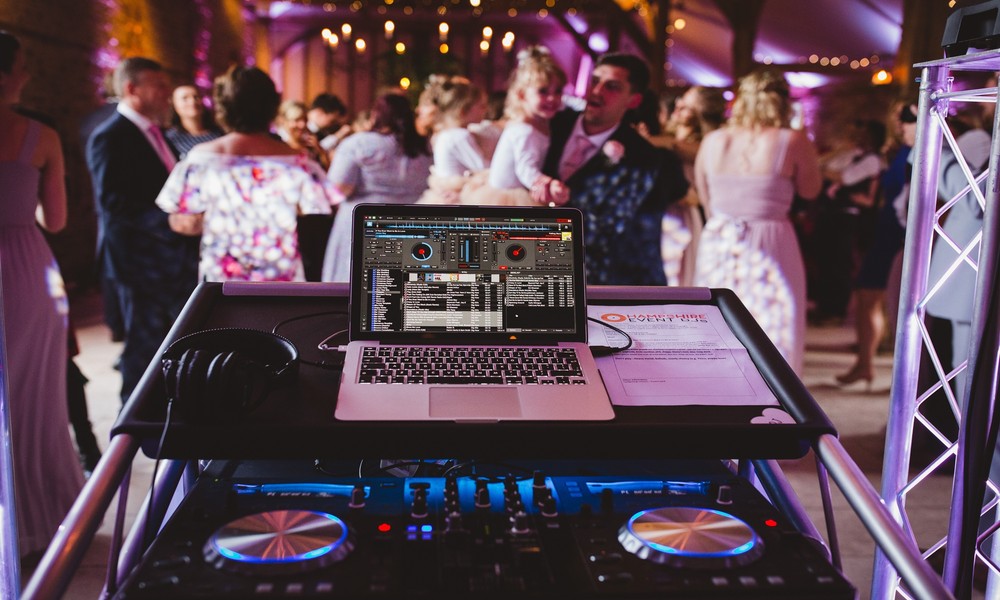
Music Makes You Move describes the moment when a quiet reception suddenly turns into a lively dance floor.
I remember attending a wedding where guests were sitting politely after dinner, and conversations filled the room.
The DJ slowly transitioned from background music to a recognizable dance track.
Within seconds, people began tapping their feet and nodding their heads to the rhythm.
That energy shift is the reason wedding DJs care so deeply about timing and song choice.
Music has a powerful way of connecting emotion, memory, and movement.
When the right track hits the speakers, guests stop thinking and start reacting to the beat.
That moment is not accidental.
It is the result of rhythm, familiarity, and crowd psychology working together.
Even people who claim they never dance often find themselves stepping onto the floor once the right track starts playing, which is exactly the kind of energy you see when exploring how great DJs create unforgettable moments through.
The Moment the Dance Floor Comes Alive
Every wedding reception eventually reaches a turning point.
It is the moment when the evening transforms from formal dinner conversation into celebration.
Usually, this happens when the DJ drops a song everyone recognizes.
I once attended a reception where the dance floor stayed empty for nearly half an hour.
People were chatting, checking their phones, and enjoying drinks.
Then a classic throwback song started playing.
One guest jumped up, then another followed, and suddenly the dance floor filled within seconds.
That kind of reaction is what wedding DJs aim to create.
The right song can unlock excitement across the entire room.
A familiar melody combined with a strong beat can bring people together instantly.
Why Rhythm Naturally Gets People Moving
There is a fascinating reason why people instinctively respond to music.
The human brain is wired to sync with rhythm.
When we hear a repeating beat, our brains naturally coordinate movement with that pattern.
This is why people tap their feet or nod their heads without even realizing it.
Scientists refer to this reaction as rhythmic entrainment.
In simple terms, the body locks into the pulse of the music.
Wedding DJs use this concept constantly when building their playlists.
They start with moderate tempo songs and gradually increase the energy.
This approach allows guests to ease into dancing rather than feeling forced onto the floor.
When the beat feels natural, movement happens automatically.
Emotional Storytelling Through Music
A wedding reception is filled with emotional moments.
Music amplifies those moments in ways that words cannot.
Think about the first dance between a couple.
The room becomes quiet and everyone turns their attention toward the dance floor.
The chosen song often reflects the couple’s personal story.
As the melody begins, memories and emotions instantly fill the room.
Music has the ability to bring back experiences faster than almost anything else.
Guests might remember their own wedding day or a special moment tied to that song.
This emotional connection is one of the strongest tools a DJ has during the night.
The soundtrack of a wedding shapes the entire atmosphere of the celebration.
Reading the Energy of the Crowd
One skill that separates an average DJ from a great one is the ability to read the room.
A pre-planned playlist alone cannot guarantee a packed dance floor.
Crowd energy constantly changes throughout the night.
Different age groups and music preferences influence how guests respond to certain songs.
I once watched a DJ quickly change direction after noticing people leaving the dance floor.
He switched from electronic dance tracks to classic soul music.
Within moments guests of all ages returned to the floor smiling and dancing.
That quick adjustment showed how important observation is for live entertainment.
Great DJs watch body language and reactions closely.
They treat every reception like a live performance rather than a rigid playlist.
Nostalgia Brings Everyone Together
One of the most reliable ways to energize a dance floor is nostalgia.
Songs connected to past memories create instant excitement.
A track from high school or college can bring an entire group of friends together on the floor.
At a wedding I attended last summer, the DJ played a popular early 2000s hit near the end of the night.
Guests who had been sitting most of the evening suddenly rushed toward the dance floor.
Everyone knew the lyrics and sang along loudly.
That moment felt like a shared memory rather than just a song.
Nostalgia helps bridge generations during a wedding reception.
Older guests enjoy timeless classics while younger guests connect with modern hits.
A skilled DJ blends both styles so everyone feels included in the celebration.
Building Energy Throughout the Reception
A successful wedding reception follows a natural rhythm.
The evening usually begins with relaxed conversation during dinner.
Music at this stage is softer and more atmospheric.
As the night progresses, the tempo gradually increases.
This subtle change encourages guests to move closer to the dance floor.
Later in the evening, the DJ introduces high-energy tracks that keep the crowd moving.
Momentum plays a huge role in maintaining excitement.
Once people begin dancing, they are more likely to stay engaged if the music continues building energy.
Transitions between songs also matter.
Smooth mixing keeps the rhythm flowing without interrupting the party atmosphere.
Why DJs Shape the Entire Wedding Experience
Many people think DJs simply play songs.
In reality, they shape the entire flow of a wedding celebration.
Every track selection influences how guests experience the evening.
Music controls energy levels, emotional moments, and the pace of the event.
A skilled DJ understands how to balance romantic songs with upbeat dance music.
They know when to slow things down for a heartfelt moment and when to reignite the dance floor.
The result is a reception that feels natural, energetic, and memorable.
Guests leave remembering the laughter, the dancing, and the shared joy of the night.
When rhythm, timing, and crowd connection come together, the dance floor becomes the heart of the celebration.
