

Introduction
Recording in a professional studio is an exciting step for any musician, whether you’re laying down your first demo or producing a polished album. Unlike home setups, professional studios offer high-end equipment, acoustically treated rooms, and expert guidance to help artists achieve the best possible sound. If you’re booking time at a place like Studio Base Bin, knowing what to expect will help you prepare and make the most of your session.
State-of-the-Art Equipment
A major advantage of professional studios is access to gear that goes far beyond standard home setups:
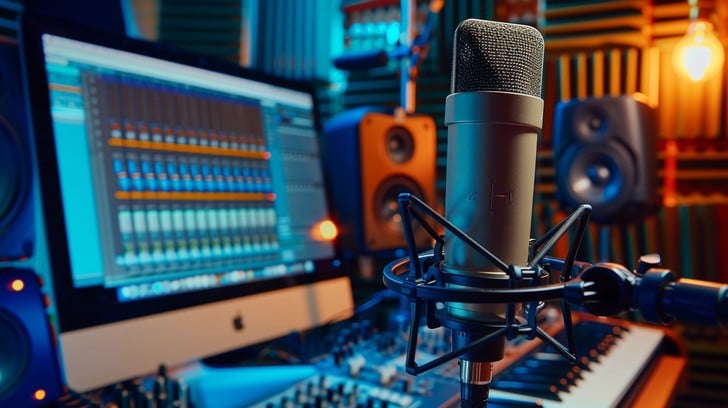
- Microphones – A wide range of condenser, dynamic, and ribbon mics for different instruments and vocals.
- Mixing Consoles – High-end boards that provide precise control over sound levels and effects.
- Outboard Gear – Compressors, preamps, and EQs that shape tone with professional-grade quality.
- Software and Plugins – Industry-standard digital audio workstations (DAWs) with powerful editing tools.
Acoustic Treatment and Sound Quality
Professional studios are carefully designed to deliver clean, accurate sound:
- Isolation Booths – Prevent sound bleed when recording multiple instruments.
- Treated Rooms – Control echo and reverberation for natural, balanced recordings.
- Monitoring Systems – High-quality speakers and headphones for accurate playback.
These details ensure that what you hear during recording reflects the true sound of your performance.
Guidance from Experienced Engineers
Sound engineers play a crucial role in shaping a recording session:
- Setup Assistance – Placing microphones for optimal sound capture.
- Sound Checks – Adjusting levels to prevent distortion or imbalance.
- Creative Input – Offering suggestions for achieving specific tones or effects.
- Technical Troubleshooting – Handling equipment issues so artists can stay focused.
Having an experienced engineer on your team makes the process smoother and more efficient.
Workflow and Session Structure
A typical recording session follows a structured flow:
- Setup and Sound Check – Positioning instruments, testing microphones, and setting levels.
- Tracking – Recording instruments and vocals, either individually or together.
- Overdubbing – Adding layers, harmonies, or additional instruments.
- Review and Playback – Listening to takes to choose the best performances.
- Mixing and Editing (if included) – Balancing levels, adding effects, and refining the sound.
Studios often allow flexibility, but sticking to a plan helps maximize time.
Comfort and Creative Atmosphere
Professional studios are designed to inspire creativity while keeping artists comfortable:
- Spacious Rooms – Enough space for bands or solo artists.
- Climate Control – Maintaining a comfortable environment for long sessions.
- Break Areas – Spaces to relax and recharge between takes.
A comfortable atmosphere encourages better performances and a more enjoyable experience.
Final Product Quality
At the end of a session, artists can expect:
- Raw Tracks – Unprocessed recordings for later mixing.
- Rough Mixes – Initial balanced versions to review progress.
- Final Mixes (if included) – Polished tracks ready for mastering.
Final Thoughts
A professional recording studio session offers more than just microphones and mixing consoles—it provides an environment where creativity and technical expertise meet. From high-end equipment and acoustic treatment to guidance from skilled engineers, studios like Studio Base Bin give artists the tools and support needed to create recordings of professional quality. Knowing what to expect helps musicians prepare effectively and get the most from their studio time.
